 By
By 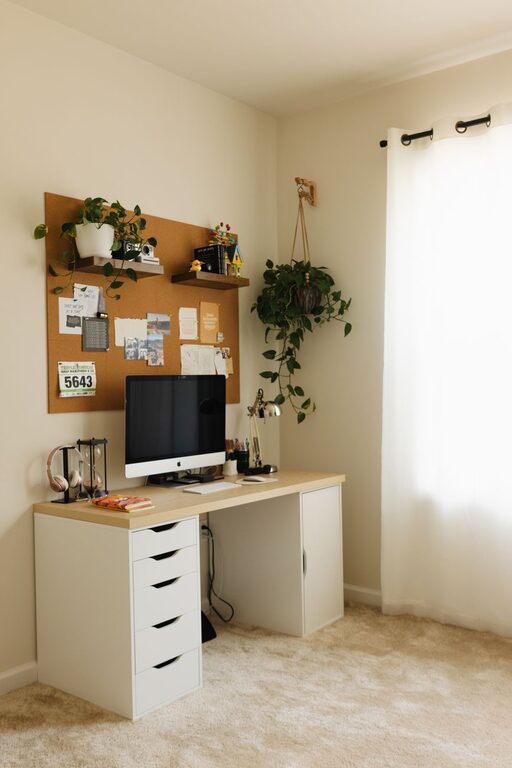
A workspace should do more than hold your computer and supplies. It should help you feel comfortable, focused, and ready to take on the day. Whether you work from home, study in a shared room, or have a dedicated office, small changes can make the space feel more like your own.
Personalizing your workspace does not require a large budget or a complete redesign. A few thoughtful updates can improve the look and feel of your surroundings while making everyday tasks easier. Here are simple ways to create a workspace that reflects your style and supports your routine.
Start With a Clean Foundation
Before adding decorations or accessories, clear away items you no longer use. A tidy workspace gives you more room to think and makes it easier to decide what belongs in the area.
Remove empty containers, old papers, unused cables, and anything that does not support your current work. Then wipe down the desk, monitor, keyboard, and other surfaces. Starting with a clean space helps your new additions stand out.
Consider keeping only the items you use regularly within easy reach. Less clutter can make the workspace feel calmer and more intentional.
Choose a Color Theme
Color is one of the easiest ways to personalize a room. You do not need to repaint the walls or buy matching furniture. Instead, choose two or three colors and use them consistently in smaller items.
For example, you might combine:
– Soft blue with white and light wood
– Green with beige and natural textures
– Black with gray and warm brown
– Yellow with cream and light blue
Use your selected colors for items such as notebooks, pen holders, mouse pads, folders, or desk artwork. A simple color theme can make different objects look like part of one coordinated space.
If you prefer a quiet environment, choose neutral or muted shades. If you enjoy a more energetic setting, add brighter colors through small accessories that can be changed easily.
Add Personal Artwork
Artwork can make a workspace feel welcoming and distinctive. Choose pieces that you enjoy looking at, such as prints, photographs, illustrations, or simple wall hangings.
You could display:
– A favorite landscape
– A graphic print with interesting shapes
– A small collection of travel photos
– A calendar with a design you like
– A handmade drawing or craft
Use frames in a similar style for a polished look, or mix different frames for a more relaxed arrangement. If you cannot put items on the wall, lean framed artwork against the wall on a shelf or desk.
Try not to cover every available surface. One larger piece or a small group of carefully chosen items may have more impact than a crowded display.
Bring in a Plant
Plants add color and natural texture to a workspace. They can also make a room feel more lively without taking up much space.
Choose a plant based on the light available in your workspace and the amount of care you want to provide. Small options such as succulents, pothos, or compact leafy plants can work well on a desk or shelf. If caring for a live plant is not practical, a high-quality artificial plant can provide a similar visual effect.
Place plants where they will not block your view or interfere with your work. A small pot in a color that matches your theme can become both a decorative feature and a useful way to express your style.
Make Comfort a Priority
Personalization should include comfort, not just appearance. You are more likely to enjoy your workspace when the chair, desk, and accessories suit your daily habits.
Look for simple improvements such as:
– A cushion for additional comfort
– A footrest for better support
– A soft desk mat
– A monitor stand to create more storage space
– A lamp with adjustable brightness
– A mug or water bottle that you enjoy using
Keep commonly used items at a comfortable height and position. Your screen, keyboard, and chair should be arranged so you can work without constantly reaching, bending, or twisting.
Comfortable details can also add personality. A fabric chair cushion, woven basket, or textured desk mat can make the area feel warmer and more inviting.
Use Lighting to Set the Mood
Good lighting can change the entire character of a workspace. Whenever possible, place your desk near a window so you can benefit from natural light. Keep the window area clear enough that light can enter the room.
For darker spaces, add a desk lamp or floor lamp. Different lighting styles create different impressions:
– A warm lamp can make the area feel relaxed
– A simple white lamp can create a clean, modern look
– A colorful lamp can act as a decorative accent
– A small adjustable light can support different tasks
You can also use a light strip behind a monitor or along a shelf for a subtle glow. Choose lighting that is comfortable for your eyes and easy to adjust throughout the day.
Display Useful Items With Style
Every workspace needs practical supplies, but they do not have to look plain or scattered. Choose storage that combines function with a style you enjoy.
Try using:
– Matching containers for pens and tools
– Small trays for frequently used items
– A file holder for papers
– Labeled boxes for supplies
– A pegboard for notes and accessories
– A cable box to hide extra cords
Open storage makes items easy to find, while closed storage creates a cleaner appearance. Use a combination of both to balance convenience and visual simplicity.
When possible, group similar items together. For example, keep writing tools in one container, technology accessories in another, and paperwork in a dedicated tray. This makes the workspace easier to maintain.
Create a Small Inspiration Area
Set aside a small section of your workspace for items that motivate or calm you. This could be a shelf, a section of the wall, or one corner of your desk.
You might include:
– A favorite quote
– A postcard
– A small collection of books
– A meaningful object
– A mood board
– A simple weekly planner
Keep this area focused rather than filling it with too many objects. The goal is to create a pleasant visual break, not another source of clutter.
You can refresh the area every few months by changing the artwork, rotating photographs, or replacing seasonal items.
Personalize Your Technology
Your computer and accessories are often the most visible parts of a workspace. Personalizing them can make the area feel more cohesive.
Choose a desktop background that matches your interests or color theme. You can also use a matching keyboard, mouse, mouse pad, or laptop stand. A protective laptop sleeve or phone case can add another personal detail.
Organize digital files and shortcuts in a way that feels clear to you. A neat digital environment can complement a neat physical workspace and make daily tasks easier to manage.
Leave Room for Change
Your workspace does not need to be perfect all the time. As your needs, interests, and routines change, your workspace can change with them.
Avoid buying too many permanent items at once. Start with a few updates, use the space for a while, and notice what works. You may discover that you need more storage, better lighting, or less decoration.
A flexible workspace is easier to personalize over time. Choose items that can serve more than one purpose or move easily when you want to refresh the layout.
Build a Space That Feels Like You
The best workspace combines comfort, function, and personality. Start by removing clutter, then add colors, artwork, plants, lighting, and practical accessories that reflect your preferences.
You do not need expensive furniture or a large room to create a space you enjoy. Even a few small changes can make your workspace feel more organized, comfortable, and personal. Focus on what helps you feel at ease and ready to work, and let the space develop naturally over time.