 By
By 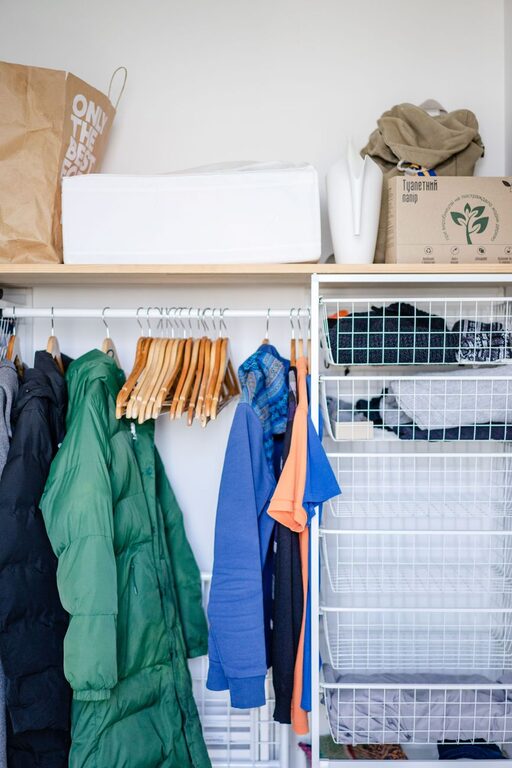
When the seasons change, closets can quickly become crowded with sweaters, coats, shorts, and special-occasion clothing. Storing items that are not currently in use makes it easier to find what you need and helps protect your clothes from dust, moisture, pests, and unnecessary wear.
An efficient clothing storage system does not need to be expensive or complicated. With a little planning, the right containers, and a consistent routine, you can free up closet space and keep seasonal items in good condition.
Start With a Clothing Review
Before packing anything away, review every item. Seasonal storage is a useful opportunity to reduce clutter and avoid storing clothes you no longer wear.
Create three groups:
– Keep and store
– Keep for the current season
– Donate, sell, recycle, or discard
Ask yourself whether each item fits well, is comfortable, and has been worn recently. If something has not been used for several seasons, it may not be worth taking up valuable storage space. Set aside damaged items for repair before storing them, and make sure anything you plan to donate is clean and in usable condition.
Avoid putting uncertain items into storage “just in case.” A smaller collection is easier to organize and maintain.
Clean Clothes Before Storage
Always clean clothing before storing it for several months. Small traces of food, sweat, body oils, or perfume can attract insects and create unpleasant odors over time.
Follow the care label for each garment. Wash or dry-clean items as recommended, then allow them to dry completely. Even slight dampness can lead to mildew when clothing is stored in a closed container.
Pay special attention to:
– Coats and jackets
– Sweaters and knitwear
– Sports clothing
– Scarves, hats, and gloves
– Formalwear
– Shoes and boots
Do not store stained clothing, even if the stain seems minor. It may become more difficult to remove later. If an item needs professional cleaning, complete that task before packing it away.
Choose the Right Storage Containers
The best container depends on the type of clothing, the available space, and the storage location.
Plastic Bins
Plastic bins with secure lids are useful for most everyday clothing. They protect against dust and provide a sturdy barrier against moisture and pests. Choose clear bins when possible so you can see the contents without opening every container.
Avoid overfilling bins. Clothes should have enough room to remain relatively loose rather than being compressed tightly. Heavy items should go at the bottom, while lighter garments can be placed on top.
Fabric Storage Bags
Breathable fabric bags are a good choice for some clothing, especially items that need airflow. They can work well for sweaters, scarves, and lightweight garments stored in a dry closet.
Choose bags made from durable, breathable material. Thin plastic shopping bags are not suitable for long-term clothing storage because they can trap moisture and provide little protection.
Vacuum Storage Bags
Vacuum bags can save space, especially for bulky blankets, puffy coats, and other soft items. However, they are not ideal for every garment. Long-term compression may flatten some materials or leave clothing heavily wrinkled.
Use vacuum bags selectively, and avoid them for delicate fabrics, structured clothing, leather, and garments that need to retain their shape.
Storage Boxes
Sturdy cardboard or acid-free boxes can work for certain items, particularly when stored in a dry indoor area. They are lightweight and easy to label, but they offer less protection from moisture than plastic bins.
Keep cardboard boxes off basement or garage floors, where they may be exposed to dampness, dirt, or pests.
Fold and Pack Clothes Correctly
How you fold clothing affects its condition when you unpack it. Fold most garments along natural seams and avoid placing sharp creases in the same spot repeatedly.
For sweaters and knitwear, folding is usually better than hanging. Hangers can stretch the shoulders and create unwanted bumps. Place heavier knitwear at the bottom of a container and lighter pieces on top.
T-shirts, jeans, pajamas, and casual clothing can be folded in compact rectangles. Rolling may also save space and reduce some deep creases, especially in soft fabrics.
For delicate or formal clothing, use clean tissue paper between layers. This can help reduce friction and protect details such as beading, lace, or embroidery. Do not use newspaper because ink can transfer onto fabric.
If you hang certain garments for seasonal storage, use wide, sturdy hangers. Cover them with breathable garment bags rather than airtight plastic covers.
Store Shoes Separately
Shoes should be cleaned and dried before storage. Remove dirt from the soles and wipe the exterior according to the material’s care instructions. Make sure shoes are completely dry before placing them in a box or container.
To help shoes keep their shape, use shoe trees, clean tissue paper, or rolled socks. Avoid stuffing shoes with newspaper if ink might transfer to the lining.
Store shoes separately from clothing whenever possible. Shoe dirt, odors, and moisture can transfer to fabric. Keep boots upright with boot supports or rolled towels, and avoid stacking footwear in a way that could bend or crush it.
Label shoe boxes or use clear containers so you can find the right pair without opening several boxes.
Select a Suitable Storage Location
A cool, dry, and stable indoor location is usually best for seasonal clothing. Good choices may include:
– The top shelf of a bedroom closet
– A clean wardrobe or cabinet
– An under-bed storage area
– A dry linen closet
– A dedicated shelving unit
Avoid places with large temperature or humidity changes, such as unfinished garages, damp basements, and areas close to plumbing. Attics may also become very hot, which can damage some fabrics, adhesives, and synthetic materials.
Keep containers away from direct sunlight, which can fade clothing. Store them on shelves or raised platforms rather than directly on the floor. This provides better protection if the floor becomes damp or dusty.
Label Everything Clearly
A simple labeling system saves time when you need a specific item. Label the top and at least one side of each container so the contents are visible even when boxes are stacked.
Useful label details include:
– Season
– Clothing type
– Family member
– Special care notes
– Number of items
For example, a label might read “Winter sweaters and scarves” or “Summer clothing, Alex.” If you prefer a digital system, take a photo of each container and keep a basic inventory in your phone.
Avoid vague labels such as “clothes” or “miscellaneous.” Specific labels make seasonal changes much faster.
Protect Clothes From Odors and Pests
Good cleaning and storage conditions are the most important forms of protection. Make sure storage areas are clean and dry before placing containers inside.
You can add a mild natural scent with a small sachet of dried lavender or cedar, provided it does not touch delicate fabric directly. Replace or refresh these items as needed. Avoid strong fragrances, which can linger in clothing and may bother sensitive household members.
Do not rely on mothballs as a general storage solution. They have a strong odor and require careful handling. Keeping clothes clean, containers sealed, and storage areas dry is a better starting point.
Check stored clothing occasionally, especially if your home has humidity concerns. Look for dampness, unusual odors, or signs that containers need to be moved.
Make Seasonal Changes Easier
Choose a regular time to switch clothing, such as the beginning of spring and fall. Work in sections rather than emptying the entire closet at once.
As you unpack one season, inspect the clothes before putting them away. Repair loose buttons, replace worn fasteners, and wash items that need cleaning. Then pack them immediately so the process does not stretch across several days.
Keep a small “transition” area for clothing that may be useful during changing weather. Lightweight jackets, layering pieces, and a few versatile outfits can remain accessible between seasons.
An efficient system is one you can maintain. Use containers that fit your space, store similar items together, and keep labels simple. With these habits, seasonal clothing stays cleaner, easier to find, and ready to wear when the weather changes.