 By
By 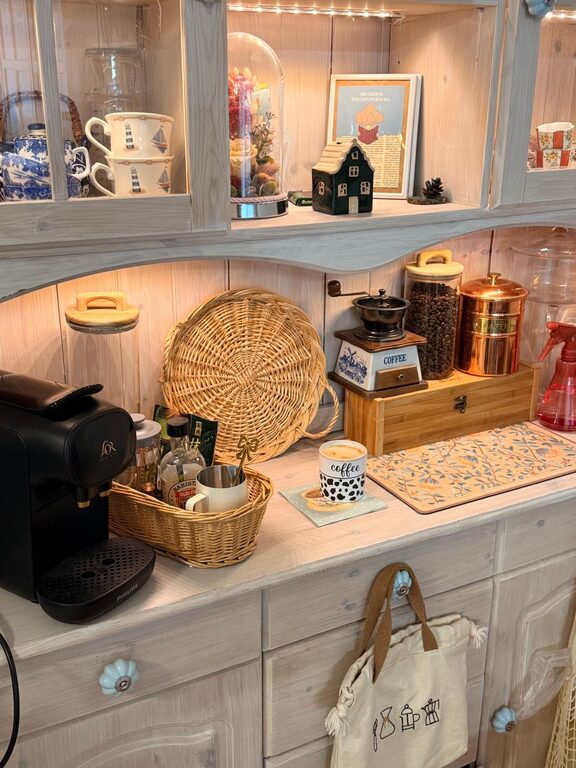
A coffee station can make your morning routine easier and add a welcoming touch to your kitchen, dining area, or home office. It does not need to be large or expensive. With a little planning, you can create a setup that keeps your coffee supplies organized and puts everything you need within easy reach.
Whether you enjoy brewed coffee, espresso, tea, or a simple instant cup, the best coffee station is one that matches your habits and available space.
Choose the Right Location
Start by choosing a convenient location for your coffee station. The ideal spot should have enough room for your coffee maker, supplies, and a few accessories. It should also be close to an electrical outlet if you use an electric appliance.
Good locations include:
– A section of kitchen countertop
– A small bar cart
– A sideboard or buffet
– A shelf near the dining area
– A corner of a home office
– A cabinet with a clear work surface
If your coffee maker needs water regularly, placing the station near the sink can save time. However, avoid crowding the sink area, especially if it is already used for food preparation.
Measure the available space before buying storage containers or furniture. Leave enough room to operate the coffee maker comfortably and remove its water reservoir if needed.
Decide What Your Coffee Station Needs
Before decorating, make a list of the items you use most often. A simple coffee station may need only a coffee maker, mugs, coffee, and a spoon. A larger setup may include several brewing tools and a variety of ingredients.
Consider including:
– Coffee maker or espresso machine
– Coffee beans or ground coffee
– Coffee grinder
– Kettle
– Mugs and travel cups
– Spoons or stirrers
– Sugar or other sweeteners
– Milk or shelf stable creamer
– Tea bags
– Napkins
– Filters
– Measuring spoon
– Small waste container for used grounds
Avoid adding items just because they look attractive. A coffee station works best when it is practical and easy to maintain. Keep everyday supplies nearby and store less frequently used items in a drawer or cabinet.
Select a Coffee Maker
Your coffee maker will usually be the main feature of the station. Choose one based on your preferred coffee style, available space, and daily routine.
A drip coffee maker is useful for preparing several cups at once. A single serve machine can be convenient for quick individual portions. A French press requires little equipment and can look stylish on an open shelf. An espresso machine may need more counter space, but it can be a good choice for people who enjoy espresso based drinks.
When comparing options, consider:
– Size and counter space
– Ease of cleaning
– Brewing time
– Water reservoir capacity
– Cost of filters or other supplies
– Number of people using the station
If you are unsure, start with the brewing method you already enjoy. You can always add another tool later.
Add Useful Storage
Good storage keeps the coffee station tidy and prevents clutter. Use containers that make supplies easy to see and reach.
Small storage ideas include:
– A tray for organizing the coffee maker and accessories
– Canisters for coffee beans or grounds
– A divided box for tea bags
– A mug tree or wall hooks
– A small drawer organizer
– A basket for napkins and stirrers
– A narrow shelf for extra mugs
– A lidded container for sweeteners
A tray is especially helpful because it creates a defined area for the station. It also makes cleaning easier. You can lift the entire group of items when you need to wipe the counter.
Choose airtight containers for coffee to help preserve freshness. Labeling containers can be useful if you keep more than one type of coffee or store different sweeteners.
Make the Setup Comfortable to Use
Arrange items according to how you prepare your coffee. Place the coffee maker in the center, then position the most frequently used supplies nearby.
For example, you might arrange the station in this order:
- Mugs on one side
- Coffee and filters next to the machine
- Kettle or grinder behind or beside the main appliance
- Spoons and sweeteners in a small container
- Napkins and extra supplies in a basket below
Keep electrical cords neat and away from water. If several appliances share one area, avoid creating a crowded web of cords. Use a simple cord holder or clips to keep wires together and out of the way.
Make sure cabinet doors, drawers, and appliance lids can open fully. A beautiful arrangement will be frustrating if it is difficult to use.
Add Personal Style
Once the station is functional, add a few decorative details. The design should fit the style of the surrounding room.
You could use:
– A framed print
– A small plant
– A decorative sign
– A patterned tray
– Coordinated mugs
– A colorful canister set
– A small clock
– A seasonal towel
Choose one or two accent colors to create a coordinated look. For a clean appearance, match the colors of the containers, mugs, and tray. For a more relaxed style, combine different textures and patterns while keeping the overall arrangement organized.
Avoid placing delicate decorations too close to steam, heat, or splashing water. Keep plants and paper items away from appliance vents and hot surfaces.
Plan for Limited Space
You do not need a dedicated counter to create a coffee station. A compact setup can work just as well.
For a small kitchen, consider using a:
– Rolling cart
– Wall mounted shelf
– Corner shelf
– Cabinet shelf
– Small serving tray
– Foldable table
A cart is useful because it can be moved when needed. Use the top level for the coffee maker and daily supplies, then store mugs, coffee, and extra items on the lower shelves.
If counter space is very limited, keep only the coffee maker and one container on display. Store the rest in a nearby cabinet. This creates a clean look without sacrificing convenience.
Keep It Clean and Organized
Regular maintenance will help your coffee station stay pleasant and work properly. Wipe the counter and appliance surfaces often, especially around the coffee maker and grinder.
Helpful habits include:
– Emptying used grounds promptly
– Washing mugs and accessories daily
– Wiping spills as soon as they happen
– Checking coffee supplies once a week
– Cleaning the coffee maker according to its instructions
– Removing expired ingredients
– Refilling containers before they are completely empty
Keep a small towel nearby for quick cleanup. If you use milk or creamer, store it properly and return it to the refrigerator after use.
Every few weeks, remove everything from the station and clean the tray, shelf, or cart. This is also a good time to check whether you are using all the items on display.
Create a Routine That Works
A coffee station should support your routine rather than make it more complicated. Place the items you use each morning in the easiest-to-reach locations. Store occasional extras, such as specialty syrups or spare filters, somewhere nearby but out of the way.
You can also prepare the station the night before by setting out a mug, filling the water reservoir if appropriate, and checking that coffee supplies are ready. This small step can make busy mornings feel more organized.
The most successful coffee station combines convenience, storage, and personal style. Start with the essentials, arrange them thoughtfully, and add decorative touches over time. Even a small corner can become a useful and inviting part of your home.